Japanese cooking, traced back to Japanese sources.
English-language Japanese recipes drift from the originals in predictable ways: a substitute becomes the recipe, a technique gets sold as a bottled sauce, one region's kitchen stands in for the whole country. We go back to Japanese dictionaries, government guides, and Japanese makers' own recipes to explain what the original actually is, and why the English version turned out the way it did.
Latest articles
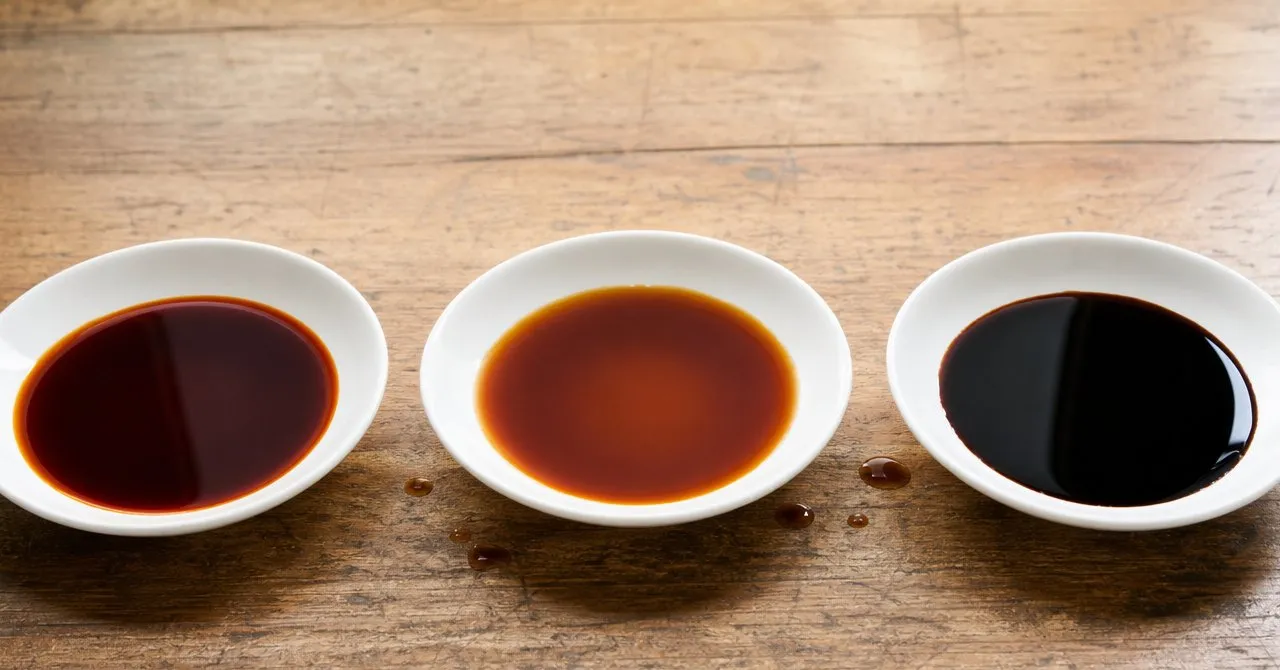 What Gets Lost in TranslationWhat English-Language Japanese Recipes Get Wrong — And WhyEnglish-language Japanese recipes drift from the originals in predictable ways. Six mechanisms behind the drift, traced through Japanese primary sources.
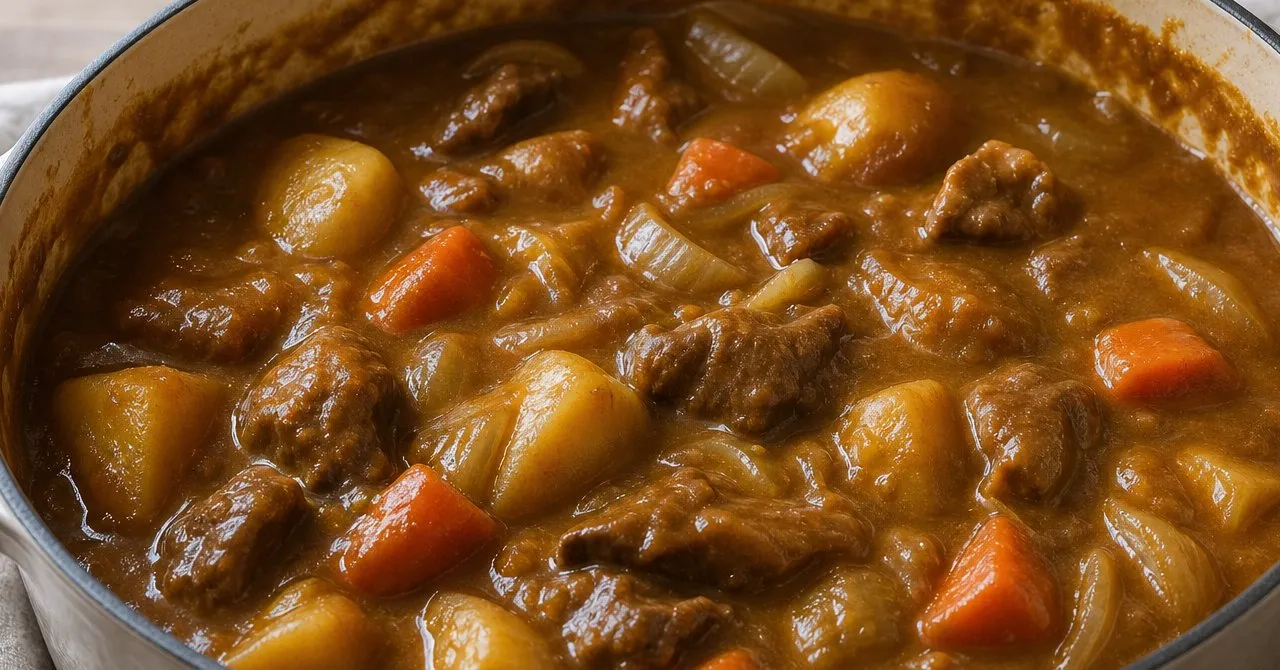 What Gets Lost in TranslationJapanese Curry Is Not Indian Curry. It's a Stew.Japanese curry reached Japan via Britain as a flour-thickened, stew-like dish. What's really in a roux block, and how to build one from scratch.
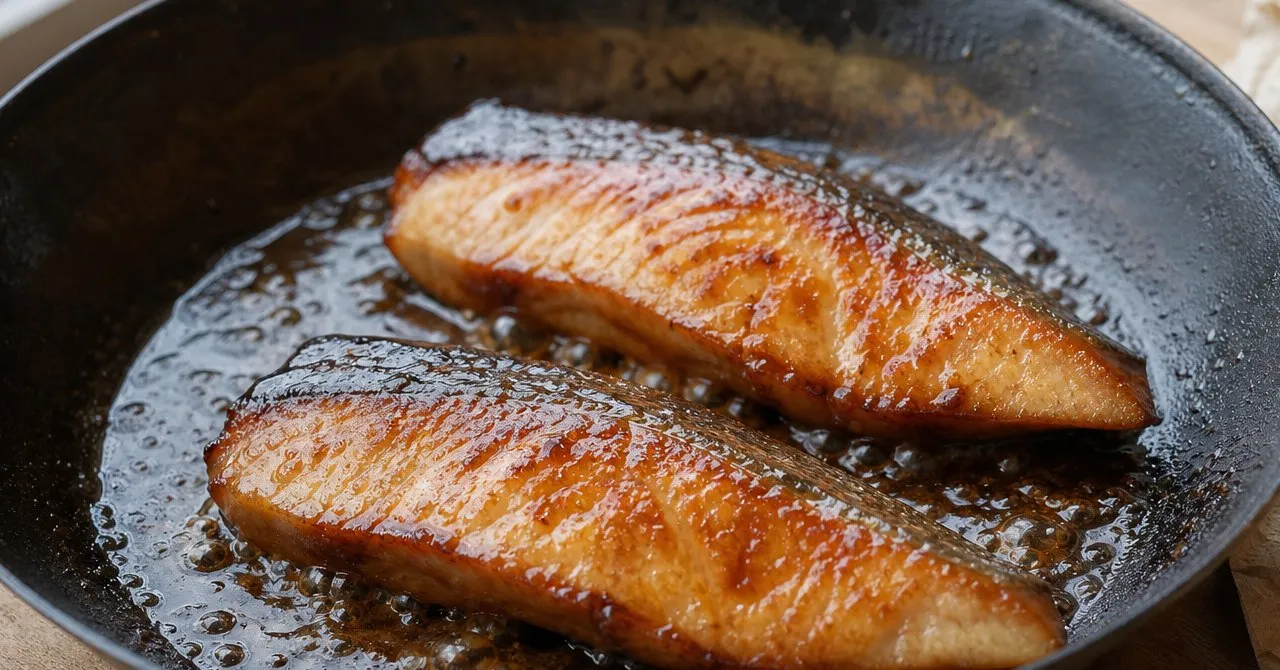 What Gets Lost in TranslationTeriyaki Is Not a Sauce. It's a Technique.In Japanese, teriyaki names a way of glazing, not a bottled sauce. Where American teriyaki came from, and how the Japanese version is made.
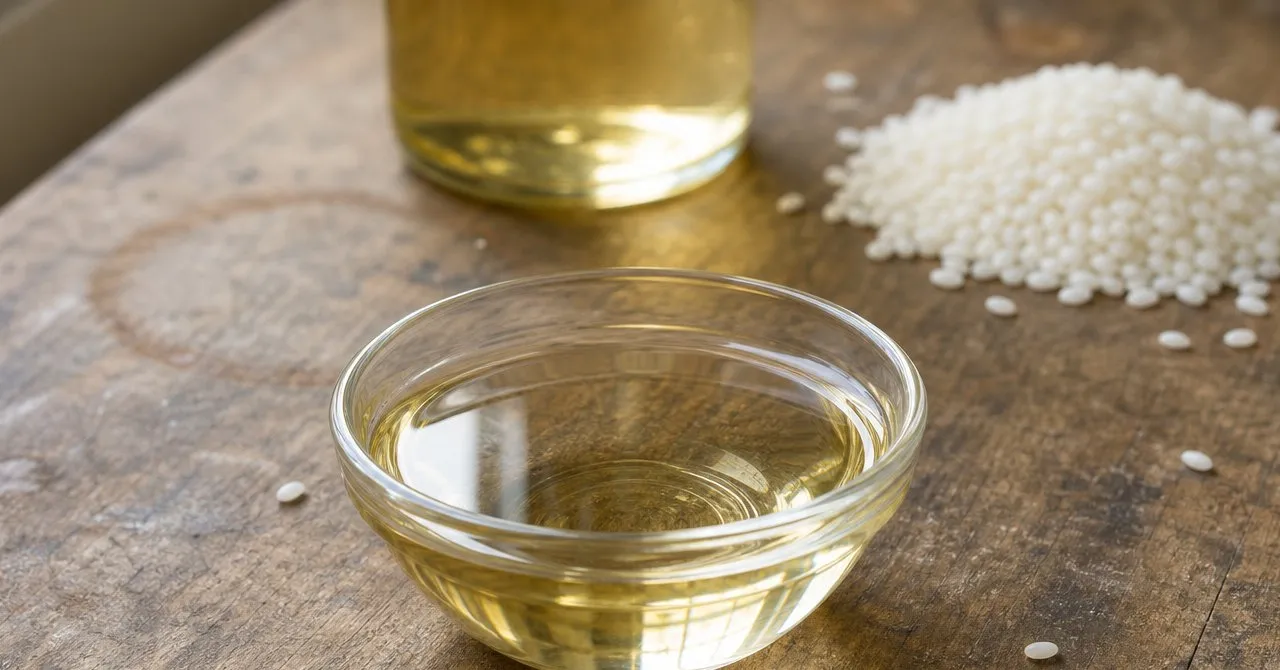 What Gets Lost in TranslationRice Vinegar Is Not a Mirin Substitute — Here's What Actually WorksRice vinegar adds acid that mirin doesn't have. What mirin actually is, what's in US bottles labeled mirin, and what to use instead.
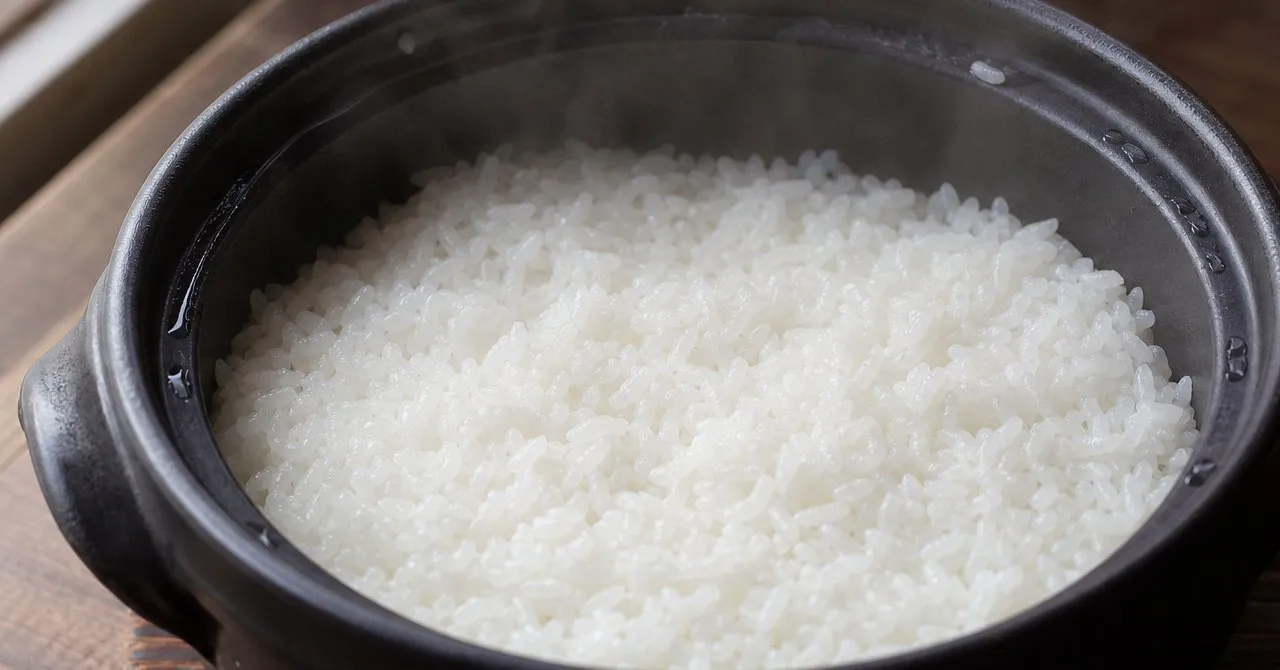 How to Cook Japanese Rice — and Why It Isn't "Sticky Rice"Japanese rice is non-glutinous japonica, not glutinous "sticky rice." How to buy, wash, soak, measure and cook it in a rice cooker or on the stove.
 Cooking Japanese Recipes in an American KitchenJapanese measuring spoons nearly match US ones, but a Japanese cup is 200 mL and a rice-cooker cup is 180 mL. How to convert recipes for a US kitchen.