Kyushu's Sweet Soy Sauce — Why Southern Japan's Soy Sauce Is Sweet
Soy sauce in Kyushu is far sweeter than elsewhere in Japan. What's in the bottles, why it got sweet, how it's used, and why it isn't kecap manis.
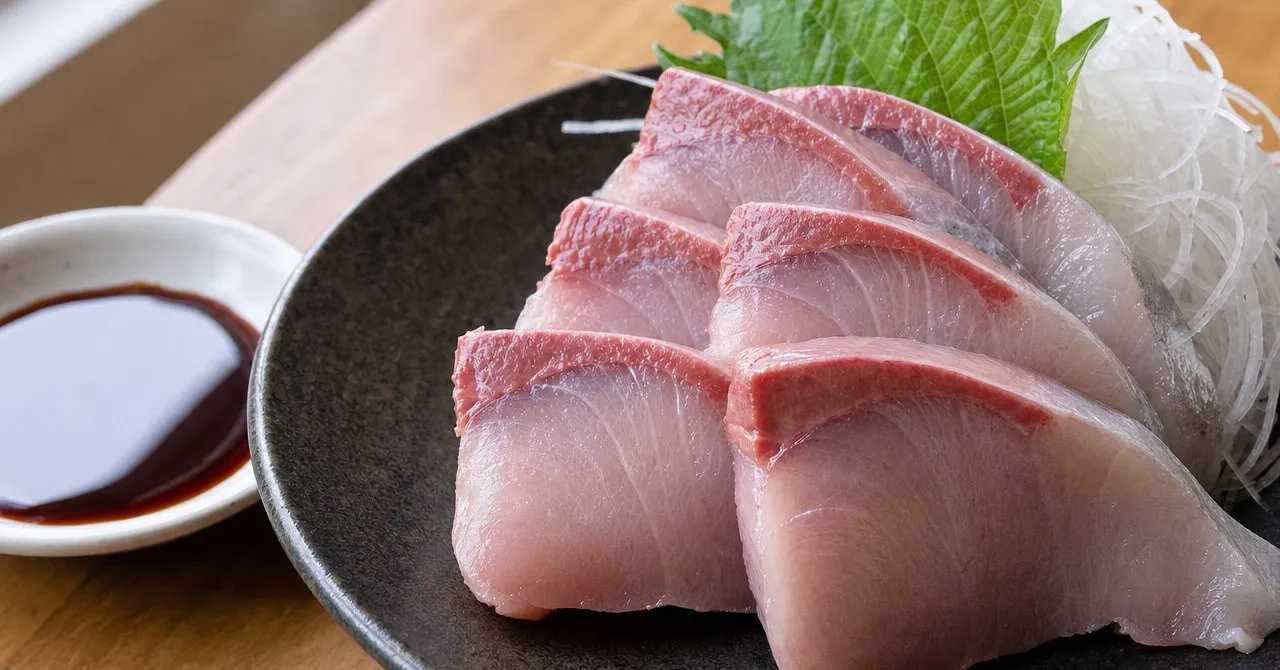
In much of Kyushu, Japan’s southwestern main island, the soy sauce poured over sashimi is sweet. Makers describe it as rich and mellow, and some bottles are slightly thick. A Japanese researcher notes that some restaurants there set out two bottles for tourists: regular dark soy sauce and the sweet local kind for sashimi.
This is not a novelty dipping sauce. In Kagoshima, two researchers write, people say with one voice that soy sauce from the Kantō region, around Tokyo, is too salty for them. A Kikkoman R&D analysis found the soy sauce used in Kyushu nearly twice as sweet as other regions’.
The short version: the sweetness comes from added sugars plus high-intensity sweeteners such as licorice and stevia. It took hold in the 20th century, at different times in different places. And it is a different product from Indonesia’s kecap manis, even though English calls both “sweet soy sauce.”
How much sweeter is it?
Kikkoman researchers combined retail point-of-sale data from 2011–2013 (Nikkei POS) with analysis of the soy sauces sold in each of 10 regions. They measured sweetness as sugars plus glycyrrhizin, the sweet compound in licorice, converted to a glucose-equivalent total.
九州で使用されるしょうゆは他の地域に比べ圧倒的に甘味が強く、2番目以降の地域に2倍近い値を示した — The soy sauce used in Kyushu is overwhelmingly sweeter than in other regions, at nearly twice the value of the regions that follow. (Ōtomo et al., Kikkoman FOOD CULTURE No. 26)
Next came the Chūgoku and Shikoku regions, just across the water. The study also reports that Kyushu’s top five products held only 19.1% of sales, the lowest of the 10 regions, against 49.4% in Kinki (the Osaka–Kyoto area). That suggests many local brands rather than a few national ones; the study itself does not interpret the figure.
What’s actually in the bottles
Here are five sweet soy sauces from Kyushu makers, from ingredient lists on the makers’ product pages as of October 2026. Formulations change; check your bottle.
| Product | Maker (prefecture) | Type | Sugars | High-intensity sweeteners | Thickener | Carbohydrate as labeled |
|---|---|---|---|---|---|---|
| Amakuchi Sashimi (あまくちさしみ) | Fundokin Shoyu (Ōita) | Honjōzō, JAS special grade | Sugar-blended glucose-fructose syrup | Saccharin sodium, licorice, stevia | Xanthan | 14.2 g per 100 g |
| Sashimi Shōyu Kyūshū Amakuchi (さしみしょうゆ 九州あまくち) | Fujijin Shoyu (Ōita) | Honjōzō, special grade | Fructose-glucose syrup, sugar | Stevia, licorice | Guar gum | 2.1 g per 15 mL (about 14 g per 100 mL) |
| Tokkyū Umakuchi Sashimi (特級うまくちさしみ) | Nibishi Shoyu (Fukuoka) | Honjōzō koikuchi, JAS special grade | Sugar, glucose-fructose syrup | Licorice, stevia | Xanthan | 16.2 g per 100 mL |
| Chōtokusen Kanro Sashimi (超特選甘露さしみ) | Chōkō Shoyu (Nagasaki) | Koikuchi, JAS special grade (page does not say honjōzō) | Starch syrup, sugar | Licorice | None listed | 31.4 g per 100 mL |
| Osashimi Kirishima, Amakuchi (おさしみ 霧島) | Fujijin Shoyu (Ōita) | Blended (amino acid liquid listed first) | Sugar, fructose-glucose syrup | Saccharin sodium, stevia, licorice | None listed | 1.5 g per 15 mL (about 10 g per 100 mL) |
For comparison, Japan’s food composition tables list ordinary koikuchi at 7.9 g carbohydrate and 14.5 g salt per 100 g. The per-100 mL Fujijin figures are our conversions. The pages did not show the label’s formal “name” box, so the type column relies on each maker’s description and on whether amino acid liquid is listed.
The sweetener stack is nearly standard. Ordinary sugars (sugar, HFCS-type isomerized syrup or starch syrup) paired with licorice, stevia and/or saccharin. Of seven Kyushu sweet soy sauces whose labels we read on maker pages, five list stevia.
“Honjōzō” does not mean unsweetened. Honjōzō (本醸造) is the fully brewed method. Three bottles above say so, yet still contain added sugars and sweeteners.
Some are blended, some are not. Japan’s soy sauce information center explains that blended soy sauce is brewed soy sauce with amino acid liquid (a protein hydrolysate) or a similar hydrolysate added. Kikkoman’s analysis detected amino acid liquid in the soy sauce used in Kyushu, measured as a regional sample (and in Chūgoku, but not in Shikoku). Individual labels show that isn’t universal: Fujijin’s Kirishima lists amino acid liquid first, while the Fundokin, Fujijin Kyushu Amakuchi and Nibishi sashimi soys are fully brewed.
Two “amino” terms, two different things. Every product checked lists 調味料(アミノ酸等), “seasoning (amino acids, etc.),” an added umami seasoning in the same additive class as MSG. That is not アミノ酸液, amino acid liquid, the base of blended soy sauce.
Several are thickened, with xanthan or guar gum. Nibishi describes its sashimi soy as 「とろみがついて素材にからみやすい」, “thickened so it clings to the food.” They are still pourable; Fujijin sells its Kyushu Amakuchi in a squeeze-to-pour bottle.
Carbohydrate is a poor guide to sweetness. Fujijin calls Kirishima the sweetest soy sauce in its range, yet it shows less carbohydrate than the same company’s Kyushu Amakuchi. Fundokin’s Golden Murasaki Amakuchi shows 8.0 g per 100 g, about the same as plain koikuchi. Our reading: saccharin, licorice and stevia are intensely sweet in tiny amounts, so they barely move the number.
Salt varies, and units matter. Chōkō says its Kanro Sashimi has 20% less salt than ordinary koikuchi. Others are only a little below regular soy sauce: Fundokin’s Golden Murasaki Amakuchi shows 14.0 g per 100 g and its Amakuchi Sashimi 13.8 g per 100 g, against 14.5 g for standard koikuchi. Some labels give figures per 100 mL and others per 100 g, and they are not interchangeable: Fundokin lists the same Amakuchi Sashimi formula at 13.8 g per 100 g on one page and 2.5 g per 15 mL (about 16.7 g per 100 mL) on its online shop. Compare like with like.
What the labels call it
Japan’s JAS standard has no “sweet” category. The Fukuoka Prefecture Tourism Association’s guide puts it plainly:
実は、JAS規格に甘口というカテゴリーは存在していません。 — In fact, there is no “amakuchi” category in the JAS standard. (Crossroad Fukuoka)
Under JAS, sweetened table soy sauces like these fall under koikuchi, dark soy sauce; Nibishi and Chōkō say so on their pages. (For the five official types, see Japanese soy sauce types.) The sweetness shows up in the product name instead:
- Amakuchi (あまくち / 甘口): “sweet-style.”
- Sashimi (さしみ): named for its use; many sweet table bottles carry it.
- Umakuchi (うまくち): “savory-style,” a term Fukuoka’s tourism guide associates with Nibishi. The Nibishi bottle above contains both sugars and sweeteners.
- Kanro (甘露): “sweet dew.” This one can mislead. Japan’s soy sauce information center uses kanro shōyu as another name for saishikomi, the double-brewed type from Yamaguchi. Chōkō’s “kanro” is a sweetened koikuchi by its ingredient list.
When and why it became sweet
A common English explanation points to old trade: sugar arriving through Nagasaki, sometimes the Dutch post at Dejima specifically. One English guide says sweet soy sauce “probably came from this exchange,” without a source. Japanese research points to something more recent, with timing that differs by region.
Fukuoka’s coal country, before the war. A 2023 Kyushu University doctoral dissertation by Atsushi Tanaka studied Fukuoka brewers from 1900 to the 1940s. Its abstract says one brewer, Matsuki, had weak sales throughout the 1910s despite improving quality, and as a countermeasure began selling soy sauce with added sweeteners and caramel:
その醤油は,強粘稠性で甘味が強いものであり — That soy sauce was strongly viscous and very sweet. (Tanaka 2023, dissertation abstract)
It resembled saishikomi, the premium soy sauce better-paid coal workers already bought, and sales spread across the Chikuhō coalfield district. The abstract concludes that this preference, though interrupted by wartime controls, fed into today’s taste for sweet soy sauce. We could read only the abstract, so the year sweeteners were first added is unknown.
Wartime and postwar. Yuka Utsunomiya, writing for Japan’s Agriculture and Livestock Industries Corporation (ALIC), reports that interviews indicate prewar Kyushu soy sauce was generally not sweet (the Fukuoka coal-district case above is an exception). During the war, shortages led brewers to add amino acid liquid to stretch supplies, and sweeteners helped mask its odor: a yellow coarse sugar and licorice extract, she writes. Postwar, saccharin, dulcin, cyclamate and sugars were used. Dulcin and cyclamate were later banned (saccharin was also banned for a time, then permitted again). Today’s sweeteners, in her account, are sugar, glucose, isomerized syrup, licorice and stevia, which matches the labels above.
Ōita and Kagoshima, after the war. In Ōita, researchers Nami Fukudome and Yuka Utsunomiya write that adding sweeteners is “said to have begun after the war.” For Kagoshima, Utsunomiya cites the factory manager of the prefecture’s soy sauce brewers’ cooperative, who links the change to the end of food controls in 1951 and dates it to around 1955:
他県産しょうゆとの差別化を目指して作った甘口が消費者に受けて定着した — A sweet style, created to set local soy sauce apart from other prefectures’, won over consumers and took hold. (Utsunomiya summarizing his view, ALIC 2022)
So in Fukuoka’s coal district, sweetened soy sauce was sold before the war; in Ōita and Kagoshima, sources date the shift to after it.
Background factors, not proven causes
Utsunomiya discusses several background factors: historical closeness to sugar production; sweetness as a sign of prosperity; sweetness as hospitality to guests; postwar differentiation through sweet blended soy sauce; a seasoning that suits fresh coastal fish and that children like; and the shift from self-sufficiency to a consumer lifestyle.
The Sugar Road is background. At its Edo-period peak, Nagasaki imported 1,500 to over 2,000 tonnes of sugar a year, and Fukuoka and Saga domain retainers stationed to guard Nagasaki could buy it preferentially. But the Sugar Road Liaison Council’s own account, published by ALIC, says large quantities of sugar did not travel the Nagasaki Kaidō highway to spread through the region, and it never mentions soy sauce. It helps explain a regional sweet tooth; the sweet bottles are a 20th-century development.
How it’s used in Kyushu
Sashimi, especially fatty fish. This is the core use. Writing on Kagoshima, Fukudome and Utsunomiya give their own impression that sweet soy sauce suits oily blue-backed fish such as yellowtail, mackerel and sardine. The Fukuoka guide even tells visitors to dip generously, because Kyushu sashimi soy is lower in salt; the reduction is modest on some labels.
Ryūkyū and goma-saba. In Ōita, ryūkyū (りゅうきゅう) is fatty mackerel or yellowtail marinated in sweet soy sauce with scallion, ginger and ground sesame. Fukuoka’s close relative is goma-saba (ごまさば), sesame mackerel.
Simmered dishes. The Fukuoka guide says that for chikuzen-ni (chicken and root vegetables) and kashiwa-meshi (chicken rice), sweet soy sauce alone can carry the seasoning, with little or no sugar or mirin.
Motsunabe. The soy-based broth for Fukuoka’s offal hot pot often uses sweet soy sauce, the same guide says.
Sushi and teriyaki, suggests Nibishi. (On what teriyaki means in Japan, see Teriyaki Is Not a Sauce.)
The attachment runs deep. Fukudome and Utsunomiya record this from Ōita:
ここでは、「うまい」すなわち「甘い」のである。 — Here, “delicious” means “sweet.” (Fukudome & Utsunomiya, Kikkoman FOOD CULTURE No. 26)
Sweet soy sauce outside Kyushu
Kyushu is the center, not the whole map. Fukudome and Utsunomiya report sweet soy sauce in western Kōchi (as far as Nakamura), southern Ehime (Uwajima and Ainan), the Toyama coast (where it took hold after the war), Noto and Jōetsu. Hiroshi Tachi of Tokyo University of Agriculture reports that it is favored in fishing towns on the Iwate and Miyagi coasts, and suggests, as his own hypothesis, that migrants from Toyama brought sweet soy sauce to the Iwate coast around Kamaishi.
It is not kecap manis
In English, “sweet soy sauce” usually means kecap manis, the Indonesian condiment. The two share a name and little else.
| Kecap manis (Indonesia) | Kyushu sweet soy sauce | |
|---|---|---|
| Sugar | One Indonesian study cites the national standard (SNI 3543:2013) as setting a minimum sugar content of 30% by weight in its table, though it gives 40% elsewhere; commercial products it cites averaged about 60% | Labeled carbohydrate of about 8 to 31 g per 100 g or per 100 mL, depending on the label |
| Sweetened with | Palm sugar and other sugars, plus aromatics | Sugars plus licorice, stevia or saccharin |
| Texture | Thick; the same study describes high-sugar samples as very thick because of their sugar | Pourable; some lightly thickened |
| Salt | Not covered in our sources | Close to or somewhat below regular soy sauce (for example, 13.8–14.0 g per 100 g on Fundokin labels, vs 14.5 g for standard koikuchi) |
Carbohydrate and total sugar are different measures, so this is a rough comparison. Even the highest-carbohydrate Kyushu bottle checked, Chōkō’s at 31.4 g per 100 mL (less per 100 g, since soy sauce is denser than water), is about half the reported kecap manis average or less, and most Kyushu bottles show roughly half of Chōkō’s figure. Kyushu soy sauce is salty soy sauce with sweetness added; kecap manis is a far sweeter, thicker condiment in which sugar is a main ingredient.
Finding it in the US
We could not confirm an official US export program or authorized US distributor for the makers covered here. Nibishi, which has expanded abroad on Kyushu-style sweet soy, sends most of its exports to South Korea and Hong Kong, according to JETRO, which reports that the company chose to focus on Asia rather than major soy sauce markets such as the US.
Some bottles reach US shoppers through Japanese grocers and online sellers; availability varies. When you look:
- Search the label for 甘口 / あまくち (amakuchi) or さしみ (sashimi) from a Kyushu maker.
- Check whether bonito (かつお) or other dashi ingredients are listed. None of the sweet soy sauces in the table above contain them; a bottle that does is a dashi-flavored soy seasoning, a different product.
- If you want fully brewed rather than blended, see whether amino acid liquid (アミノ酸液; “protein hydrolysate” or “hydrolyzed protein” in English) is listed at all.
Can you make it at home?
No Japanese manufacturer or reliable Japanese recipe source we found publishes a ratio for imitating Kyushu soy sauce, so we don’t offer one. Adding sugar or mirin to regular soy sauce makes it sweeter, but not the same product: the commercial versions combine sugars with high-intensity sweeteners, umami seasoning and often a thickener. (That last point is our reading of the labels.)
What Japanese sources describe is the reverse adjustment: when you cook with sweet soy sauce, use less sugar and mirin. So:
- A Kyushu recipe made with standard koikuchi may come out less sweet than intended. Add sugar or mirin to taste. (For mirin substitutes, see Rice Vinegar Is Not a Mirin Substitute.)
- A non-Kyushu recipe made with a Kyushu bottle will come out sweeter. Cut back the sugar or mirin.
It is the regional problem described in What English-Language Japanese Recipes Get Wrong: “soy sauce” depends on where the recipe was written.
FAQ
What is Kyushu soy sauce? The sweet soy sauce used across Kyushu in southwestern Japan, sold under names like amakuchi, sashimi, umakuchi or kanro. Under the JAS standard there is no sweet category; these fall under koikuchi (dark) soy sauce, with sugars and sweeteners added. Kikkoman researchers found the soy sauce used in Kyushu nearly twice as sweet as other regions’.
Why is soy sauce sweet in Kyushu? It developed in the 20th century, at different times in different places. In Fukuoka’s Chikuhō coal district, a brewer began selling sweetened, thick soy sauce to coal miners after weak sales in the 1910s, well before the war. Wartime blended soy sauces used sweeteners to mask the odor of amino acid liquid, and sweet styles stayed popular after the war; according to the factory manager of Kagoshima’s brewers’ cooperative, a sweet style there took hold around the mid-1950s. The Nagasaki “Sugar Road” is often cited as background but is not shown to be a direct cause.
Is Japanese sweet soy sauce the same as kecap manis? No. Indonesian research reports commercial kecap manis averaging about 60% sugar, and describes high-sugar samples as very thick. Kyushu soy sauces are pourable, with labeled carbohydrate of about 8 to 31 g per 100 g or 100 mL and salt close to regular soy sauce.
Is Kyushu soy sauce lower in sodium? Somewhat, in many of the bottles checked, but not by much in some. One claims 20% less salt than ordinary koikuchi; another shows 14.0 g per 100 g, against 14.5 g for regular soy sauce. Check the nutrition label, and note whether it is per 100 g or per 100 mL.
How this article was researched
This article draws on Japanese-language sources: research published by Kikkoman’s food culture center and Japan’s Agriculture and Livestock Industries Corporation (ALIC), a Kyushu University dissertation abstract, Japan’s national food composition tables, the soy sauce industry’s information center, and Kyushu makers’ own product pages and online shop. Ingredient and nutrition details come from the makers’ published labels as of October 2026. Quotations from Japanese sources are kept short and translated by us. This site did not taste or compare the products; where a point is our inference from the labels, we say so.
Sources
Japanese primary sources and research:
- キッコーマン FOOD CULTURE No.26 — 一般成分分析と官能評価によるしょうゆの地域別特徴(大友ほか) (Kikkoman R&D — regional sweetness and market data)
- キッコーマン FOOD CULTURE No.26 — 郷土料理からみた醤油の地域特性(福留・宇都宮) (regional dishes; sweet soy outside Kyushu)
- キッコーマン FOOD CULTURE No.29 — 東北のしょうゆ:「つゆ」や「だししょうゆ」をしょうゆ代わりに使う東北地方(舘博) (sweet soy on the Tohoku coast)
- 農畜産業振興機構 砂糖類情報 — 山口・九州地方における甘いしょうゆの歴史としょうゆと砂糖の関係(宇都宮由佳, 2022年9月) / PDF版 (ALIC — history, sweeteners, Kagoshima)
- 農畜産業振興機構 砂糖類・でん粉情報 2022年7月 — シュガーロードの砂糖文化とそのお菓子(シュガーロード連絡協議会) (the Sugar Road and Nagasaki sugar imports)
- 田中醇 2023 博士論文要旨(九州大学)— 1900〜1940年代における醸造経営と地域性に関する分析 (Atsushi Tanaka — Fukuoka brewers and coal miners)
- しょうゆ情報センター — しょうゆの製造方法 (brewing methods; blended soy sauce)
- しょうゆ情報センター — しょうゆの種類 (five types; kanro as another name for saishikomi)
- 文部科学省 食品成分データベース — こいくちしょうゆ (composition of regular koikuchi)
- 福岡県観光連盟 クロスロードふくおか — 九州の甘い醤油 (Fukuoka Prefecture Tourism Association — labels and local uses)
- JETRO — 九州のしょうゆをアジアへ/ニビシ醤油(福岡県)(2023年11月30日) (Nibishi exports)
Manufacturer product pages:
- フンドーキン醤油 — あまくちさしみ 720ml / 360ml
- フンドーキン醤油 公式通販 — さしみしょうゆ(甘口)1.8L
- フンドーキン醤油 — ゴールデン紫あまくち
- フンドーキン醤油 — 九州あまくちさしみハラール
- 富士甚醤油 — さしみしょうゆ 九州あまくち
- 富士甚醤油 — おさしみ 霧島(あまくち)
- ニビシ醤油 — 特級うまくちさしみ
- チョーコー醤油 — 超特選甘露さしみ
Other:
- Humairoh 2017, Jurnal Sains dan Teknologi 6(1) — kecap manis and SNI 3543:2013
- Fine Dining Lovers — Types of soy sauce (kecap manis ingredients)
- Japanese Taste — A Guide To Japanese Sweet Soy Sauce (Amakuchi Shoyu) (English guide citing the Dejima theory)
Part of our look at what English-language Japanese recipes get wrong. See also: Japanese soy sauce types and Japanese Recipes in an American Kitchen.